
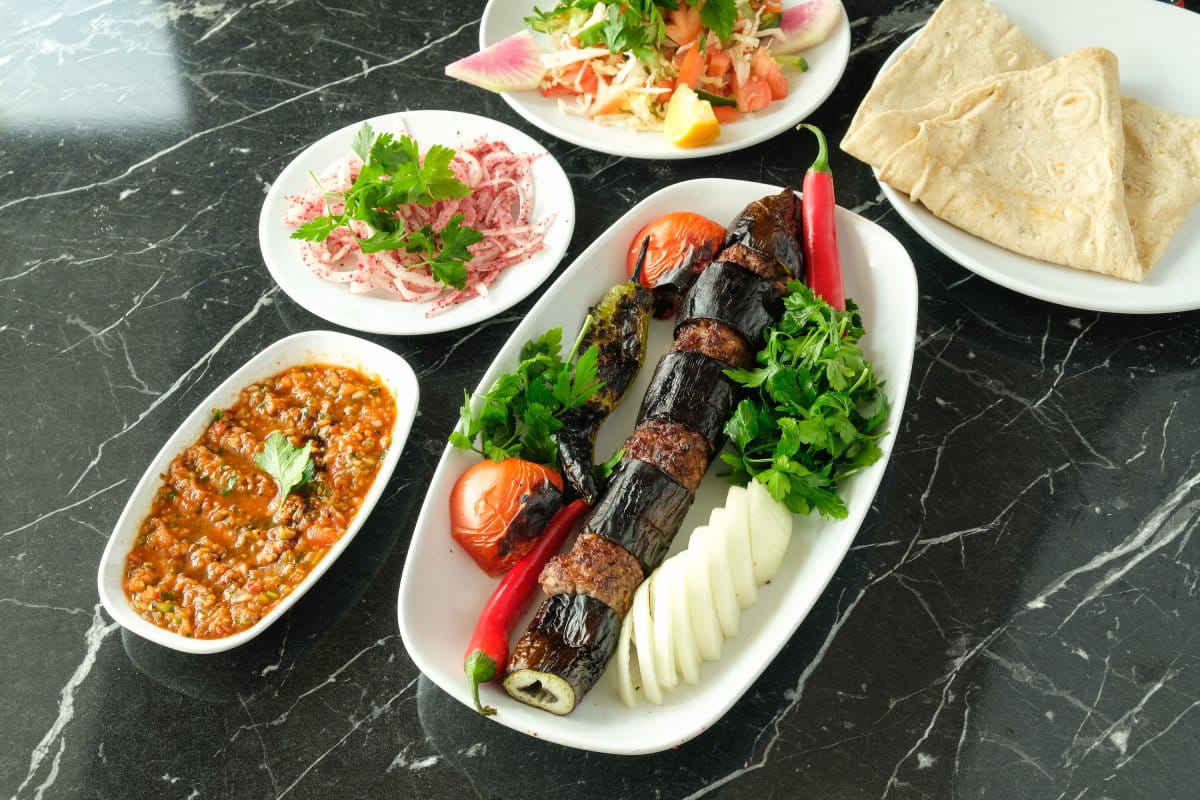
Istanbul has always been much more than just a geographical bridge between Europe and Asia; it is a sprawling kitchen where the ingredients, techniques, and palates of dozens of civilizations have simmered together for centuries. Walking through the winding streets of this metropolis in January 2026, one can immediately sense that the culinary scene is undergoing a fascinating evolution. While the smoky aroma of traditional kebabs and the sweet scent of baklava still waft through the air, they are now joined by the complex notes of French sauces, the heat of Southeast Asian spices, and the precision of Japanese presentation. This city, which served as the capital for three great empires, continues to absorb and reinvent international flavors, creating a gastronomy that is distinctly Istanbulite yet globally connected.
The roots of this culinary diversity run deep into history, tracing back to the days when the Silk Road terminated at the city's gates. Traders brought not just silk and porcelain, but sacks of exotic spices, sacks of grain, and new cooking methods from the Far East. Today, that legacy of exchange is more vibrant than ever. Modern chefs in Istanbul are looking beyond their borders for inspiration, blending Anatolian staples with international trends to create dishes that tell a story of migration and adaptation. To fully understand the depth of this history, many travelers start their journey by visiting the old spice markets near the Golden Horn. You can Discover Istanbul's rich history and magnificent landmarks like the Spice Bazaar, where the trade that shaped this cuisine began centuries ago.
The Ottoman Legacy: The Original Fusion Cuisine
It is impossible to discuss Istanbul's current international palate without acknowledging the imperial kitchen of the Ottoman Empire. The Ottomans were the original masters of fusion, assimilating the best dishes from the Balkans, the Middle East, North Africa, and Central Asia into a sophisticated court cuisine. This historical openness paved the way for the modern international scene we see today. For instance, the heavy use of olive oil came from the Greeks, the love for dumplings traveled from Central Asia, and the intricate pastry work has roots in the Balkans and Austria. This foundation makes the local palate incredibly receptive to new global influences.
In the modern era, this tradition of borrowing and blending has accelerated. You will find that the city's top restaurants are no longer just serving traditional 'Ottoman Palace Cuisine' but are reinterpreting it through a global lens. Chefs are using French sous-vide techniques to cook tender lamb dishes or incorporating Peruvian ceviche styles using local Black Sea fish. This dynamic mixture ensures that every meal is an exploration of geography and history. For those wanting to dive deep into these cultural layers without the hassle of queues, it is wise to secure your access early. You can skip the lines and secure your spot at Istanbul's top attractions and culinary museums to maximize your time exploring.
Modern European Influences in Pera and Galata
The districts of Beyoğlu, particularly the neighborhoods of Pera and Galata, have historically been the European heart of Istanbul. In the 19th century, this was where the Orient Express arrived, bringing with it French chefs, Viennese patisseries, and Italian architects. That legacy remains strong today, but with a contemporary twist. As of 2026, the streets of Karaköy and Galata are lined with third-wave coffee shops roasting beans from Ethiopia and Colombia, standing shoulder-to-shoulder with historic Turkish coffee houses. Here, the fusion is seamless; you might enjoy a croissant filled with Turkish pistachio paste or a pizza topped with spicy 'sucuk' sausage and Anatolian cheeses.
Navigating these hilly, historic neighborhoods can be tiring, but the culinary rewards are worth the effort. From rooftop bars serving Italian aperitivos with a view of the Golden Horn to hidden courtyards offering Spanish tapas made with Aegean ingredients, the European influence is palpable. To move between these culinary hotspots and the historic peninsula with ease, visitors often rely on efficient public transit or private options. You can navigate Istanbul with ease using our transport guides and booking services to ensure you don't miss a single meal due to logistics.
Asian Flavors Finding a Home on the Bosphorus
Perhaps the most surprising trend in recent years has been the explosion of Asian cuisine in Istanbul. While Turkish and Asian cuisines share some distant ancestral roots in Central Asia, the modern influx of Japanese, Thai, and Korean flavors is a newer phenomenon. Sushi bars have become incredibly popular, but often with a local adaptation—using the incredibly fresh fish from the Bosphorus and the Marmara Sea. It is not uncommon to find 'Lüfer' (bluefish) sashimi or rolls incorporating Turkish herbs like dill and parsley, creating a flavor profile that exists nowhere else on earth.
The fusion extends beyond high-end sushi. Korean BBQ spots have popped up, resonating with the Turkish love for grilled meats and communal dining. These establishments often sit along the waterfront, offering diners a chance to enjoy exotic flavors while gazing at the iconic strait that defines the city. There is truly nothing like dining between two continents. To experience this magic fully, you should see the beauty of Istanbul from the water. Enjoying a relaxing Bosphorus cruise with options including lunch or dinner allows you to witness the city's skyline while enjoying a meal that bridges cultures.
| Dish Type | Traditional Origin | Istanbul Fusion Twist |
| Pasta / Manti | Italian / Central Asian | Ravioli stuffed with roasted eggplant puree (hünkarbeğendi) or topped with yogurt and chili oil. |
| Seafood | Japanese / Peruvian | Bonito (Palamut) ceviche marinated in pomegranate molasses and local citrus. |
| Dessert | Spanish / French | San Sebastian Cheesecake served with warm Turkish chocolate or pistachio ganache. |
| Street Food | American / Mexican | Hamburgers with 'Isla' (wet) buns steamed in tomato sauce, or Kokoreç tacos. |
The Rise of Gastronomic Tourism
Istanbul has firmly established itself as a destination for serious foodies. The arrival of international restaurant guides and the awarding of Michelin stars to local establishments have put a spotlight on chefs who are daring to experiment. These culinary artists are not abandoning tradition; they are elevating it by inviting the world into their kitchens. Travelers now plan entire trips around reservation slots at these fusion restaurants. However, a great culinary trip requires smooth logistics. The journey begins the moment you land. To ensure your gastronomic adventure starts without stress, you can start your trip with comfort. Book a reliable airport transfer to your hotel so you can drop your bags and head straight to your first dinner reservation.
Beyond the plate, the atmosphere of Istanbul's dining scene is shaped by its accommodation options. Many of the best fusion restaurants are housed within hotels that blend historical architecture with modern luxury. Whether you want to stay in a converted Ottoman mansion or a sleek modern tower, choosing the right base is crucial for exploring the city's diverse food hubs. You can explore a curated list of the best hotels in Istanbul to find a place that suits your taste and budget, placing you right in the heart of the action.
Exploring Beyond the Center
While Sultanahmet and Beyoğlu offer incredible dining, the true fusion gems are often found in the residential neighborhoods on both the European and Asian sides. Districts like Kadıköy, Bomonti, and Arnavutköy are where young chefs are opening experimental bistros. Here, you might find a fusion of Nordic foraging techniques applied to Anatolian wild herbs, or Mexican street corn made with local Turkish cheeses. Exploring these areas allows you to see the living, breathing city rather than just the tourist highlights. For those who want the freedom to hunt down these hidden culinary treasures at their own pace, it makes sense to rent a car and explore Istanbul and beyond, perhaps even driving up the coast to see where the farm-to-table ingredients are sourced.
Planning Your Culinary Journey
- Stay Connected: You will need maps to find hidden restaurants and translation apps to read menus. Don't forget to stay connected during your Istanbul visit with reliable mobile data solutions.
- Safety First: Trying exotic street foods and traveling to new places is exciting, but it is always smart to be prepared. Travel with peace of mind with comprehensive travel insurance options that cover you throughout your trip.
- Diversify Your Itinerary: Don't just eat; experience the culture that produces the food. Mix your dining experiences with visits to museums and bazaars. Check out top activities, local favorites, and hidden gems to balance your calorie intake with cultural enrichment.
In conclusion, Istanbul's culinary scene in 2026 is a testament to its enduring role as a meeting place of cultures. It is a city where you can eat a bagel (simit) for breakfast, sushi for lunch, and a French-Ottoman fusion dinner, all within a few kilometers. The international influences have not diluted the local cuisine; rather, they have enriched it, creating a fusion that is vibrant, respectful of history, and utterly delicious. As you explore the city, taste everything, ask questions about the ingredients, and let your palate guide you through the rich tapestry of Istanbul's history.